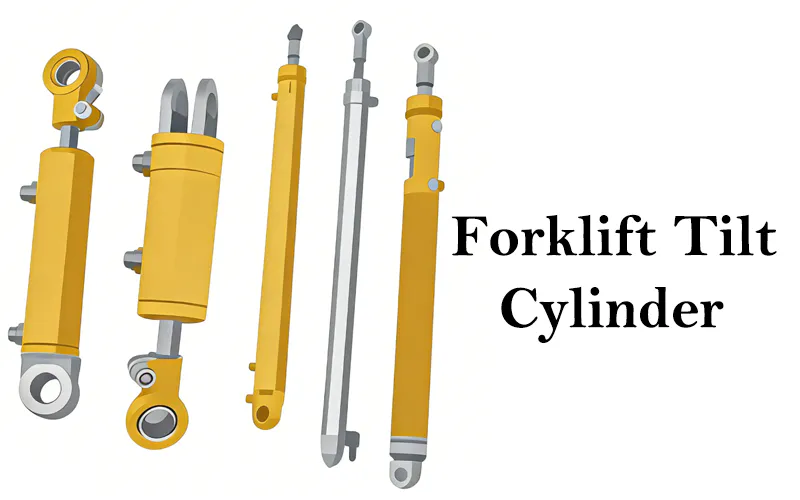
Forklift Tilt Cylinder
Leading OEM/ODM manufacturer. Delivering custom hydraulic solutions with working pressures up to 18.1 MPa and extreme durability for industrial applications
Products Show

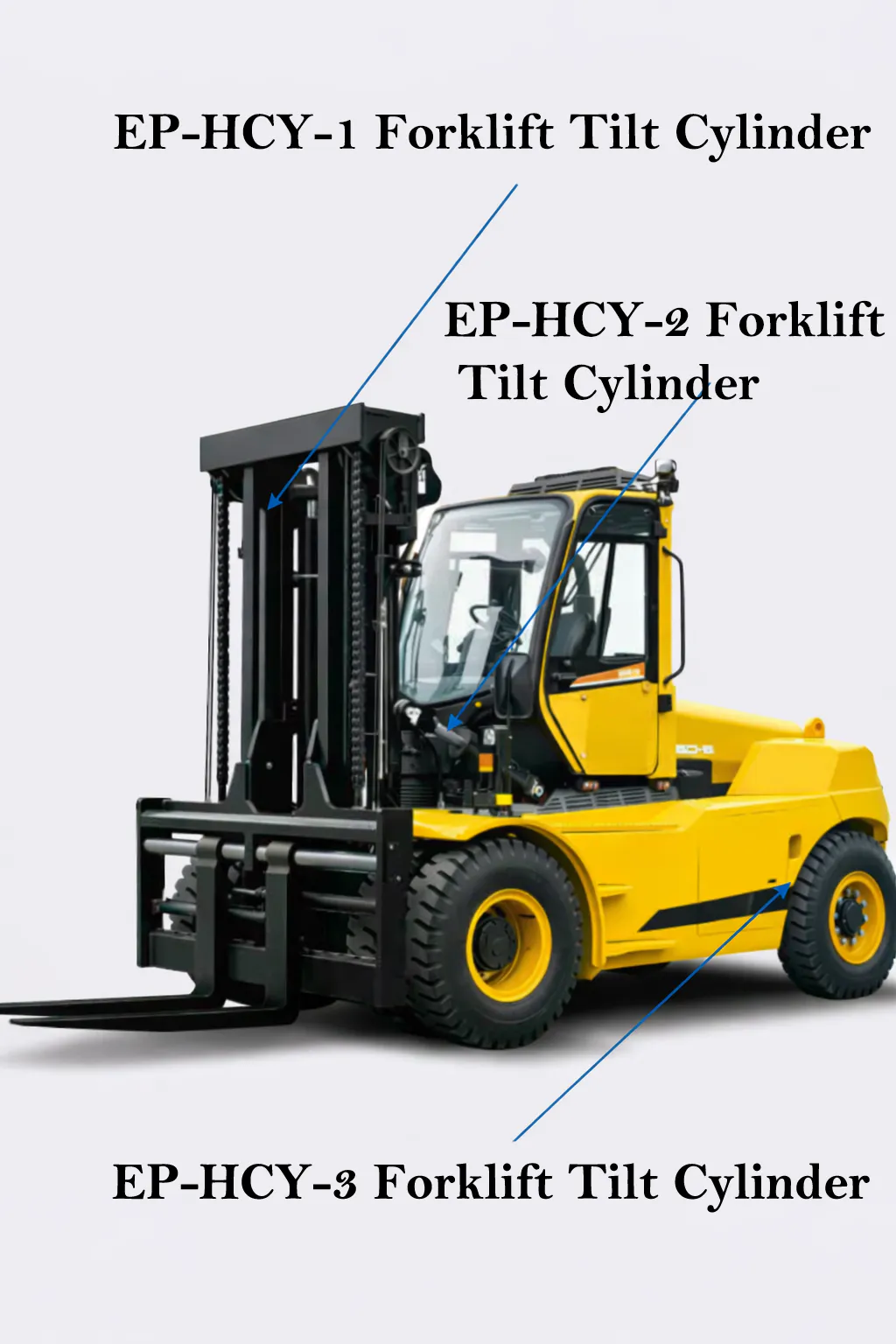
EP-HCY-1 Forklift Tilt Cylinder
This EP-HCY-1 Forklift Tilt Cylinder has a working pressure of 18.1 MPa and a maximum withstand pressure of 27.15 MPa. It features a 1500 mm stroke length, a 1658 mm installation distance, and weighs 33 kg.

EP-HCY-2 Forklift Tilt Cylinder
This EP-HCY-2 Forklift Tilt Cylinder has a working pressure of 18.1 MPa and a maximum withstand pressure of 27 MPa. It features a 156 mm stroke, a 453 mm installation distance, and weighs 12 kg. Designed for efficient tilt control in forklifts.

EP-HCY-3 Forklift Tilt Cylinder
This EP-HCY-3 Forklift Tilt Cylinder has a working pressure of 16 MPa and a maximum withstand pressure of 24 MPa. It features a 96.5×2 mm stroke, a 585.7 mm installation distance, and weighs 16.5 kg. Designed for precise steering control in forklifts.
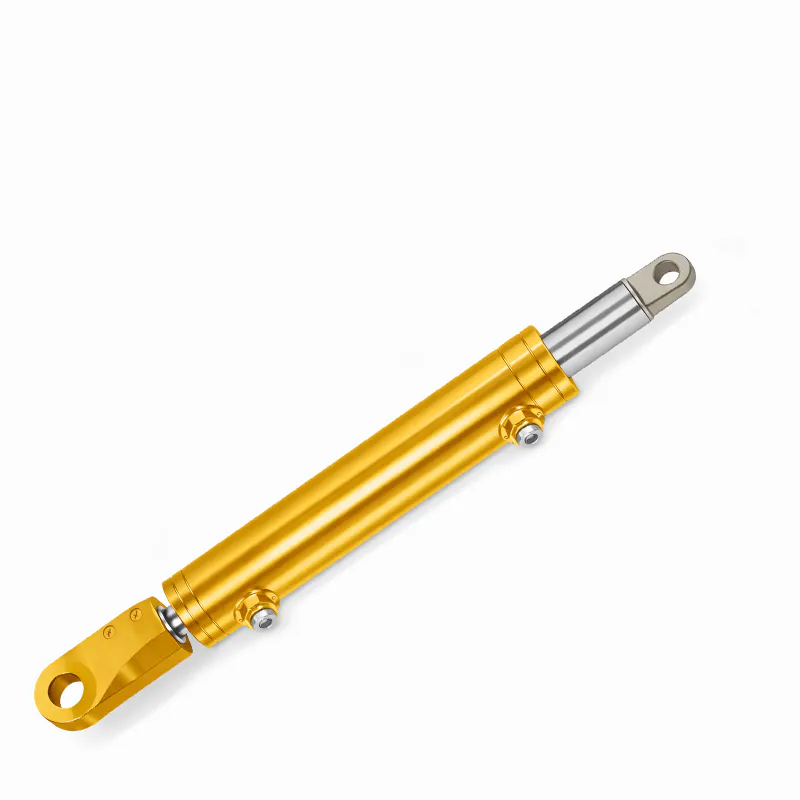
EP-HCYA-1 Cylinder For Forklift Accessories
This EP-HCYA-1 Cylinder For Forklift Accessories has a working pressure of 25 MPa and a maximum withstand pressure of 35 MPa. It features a 200 mm stroke, a 450 mm installation distance, and weighs 6 kg. Designed for efficient and reliable forklift operations.
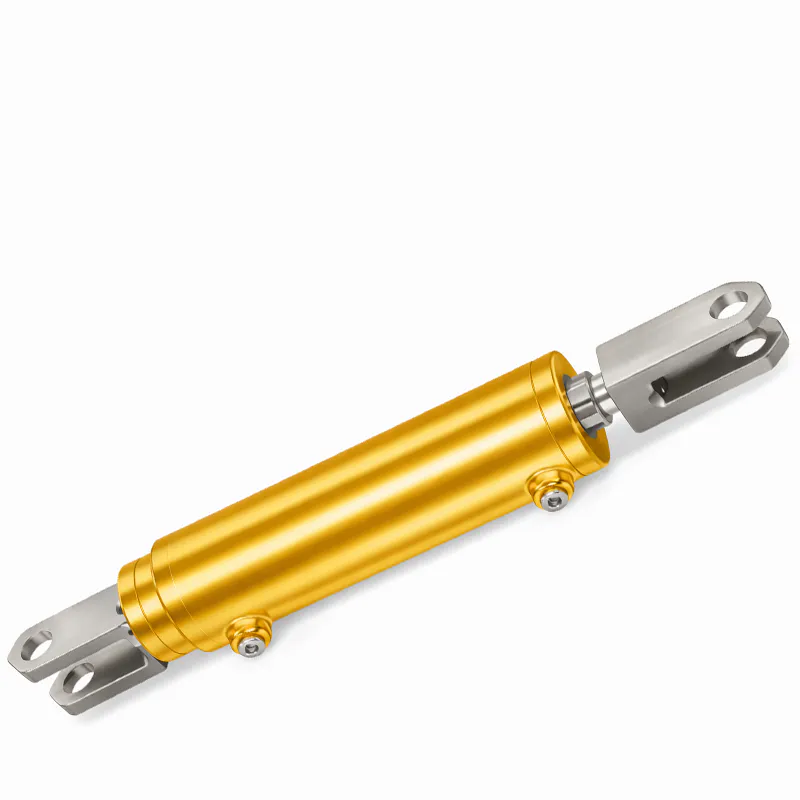
EP-HCYA-2 Cylinder For Forklift Accessories
This EP-HCYA-2 Cylinder For Forklift Accessories has a working pressure of 25 MPa and a maximum withstand pressure of 35 MPa. It features a 200 mm stroke, a 597 mm installation distance, and weighs 38 kg. Designed for heavy-duty forklift applications.
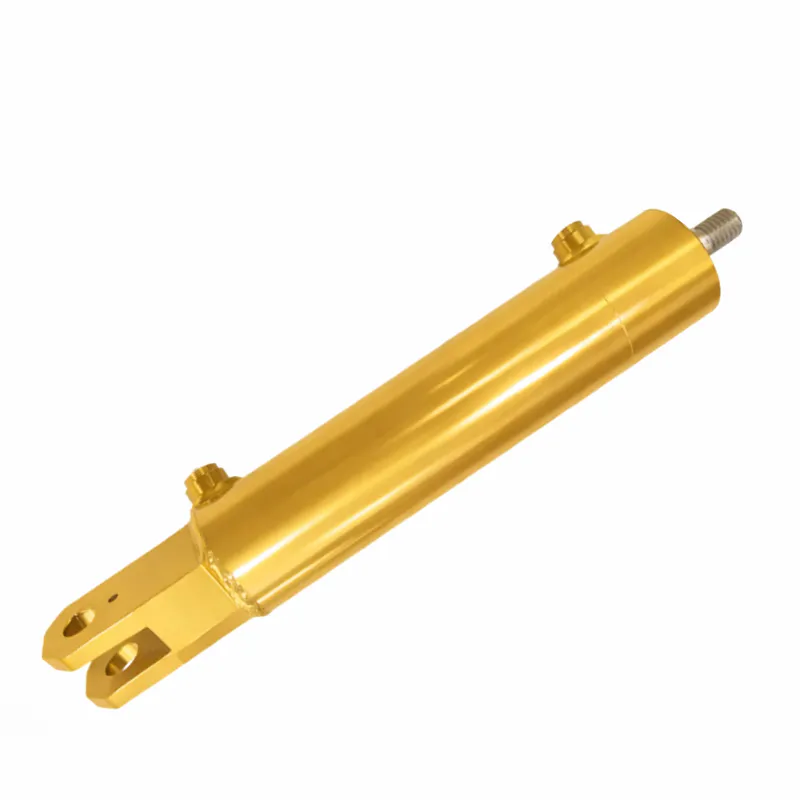
EP-HCYA-3 Cylinder For Forklift Accessories
VR Factory
About Forklift Tilt Cylinder
A forklift tilt cylinder is a hydraulic component used in forklifts to control the tilt of the forklift’s mast. It allows the operator to adjust the angle of the mast, enabling the lifting of loads at different angles for better handling, stacking, and unloading. The tilt cylinder is crucial for ensuring the stability and safety of the forklift, especially when lifting or lowering heavy loads. It typically uses hydraulic pressure to move the forklift’s mast forward or backward.
What is the difference between lift cylinder and tilt cylinder?
The lift cylinder is vertically oriented and responsible for the vertical elevation and descent of the carriage and forks. Conversely, the Forklift Tilt Cylinder is mounted horizontally or at a slight angle between the forklift frame and the mast. By extending or retracting its piston rod, it pivots the mast forward (to facilitate picking up or depositing a load) or backward (to stabilize the load against the backrest during transit).
Working Principle & Fluid Dynamics
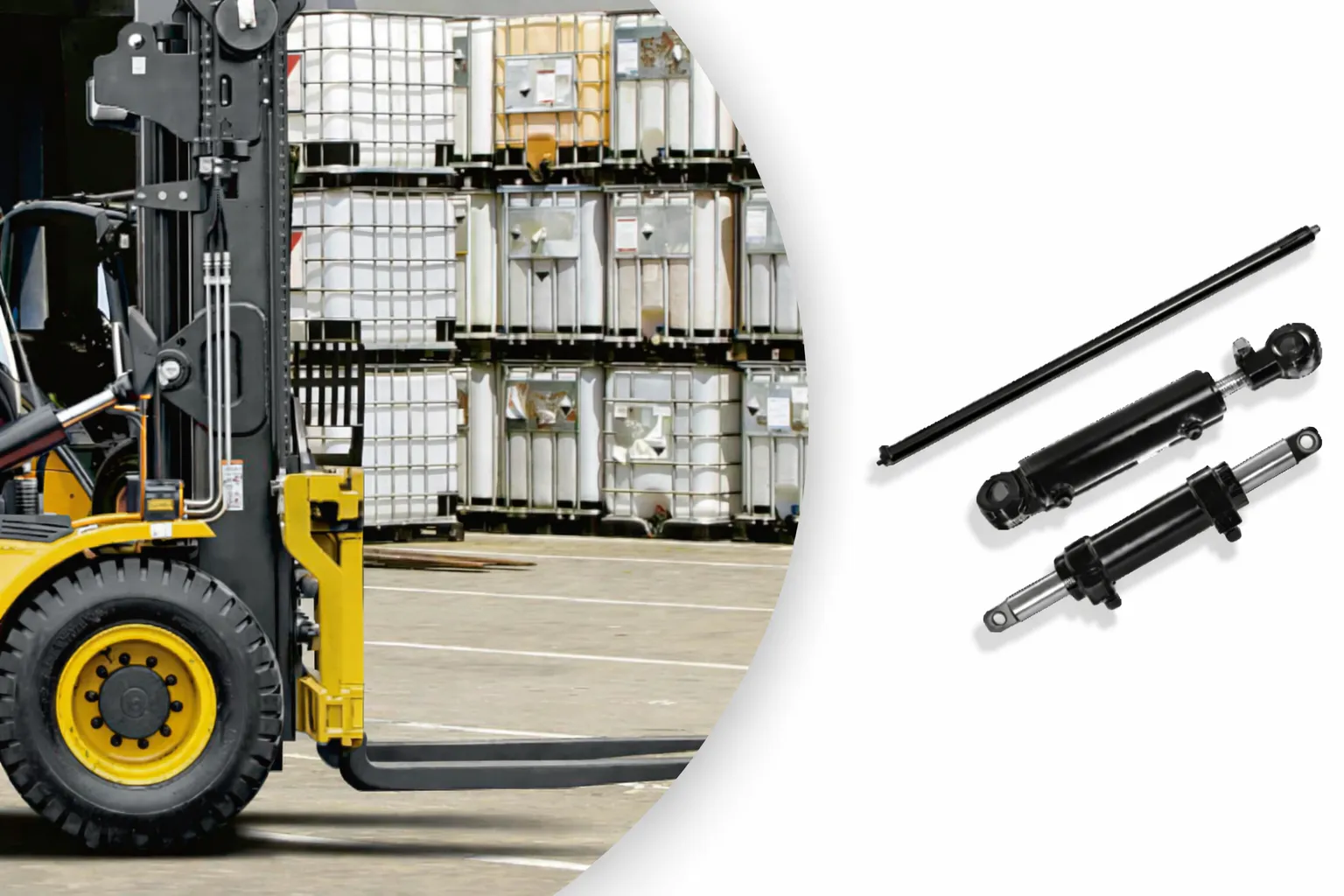
Understanding the internal mechanics of a hydraulic forklift tilt cylinder is essential for equipment maintenance engineers. The operation is based on the principles of double-acting hydraulic force. When reviewing a standard forklift hydraulic cylinder diagram, you will notice two distinct hydraulic fluid ports located at the base (cap end) and the head (rod end) of the cylinder.
When the operator engages the cabin control lever to tilt the mast forward, the hydraulic pump directs pressurized fluid through the control valve into the cap end port. The pressure differential across the piston forces the piston rod to extend. Because the cylinder base is pinned to the forklift chassis and the rod end is pinned to the mast, this extension pushes the mast forward away from the operator.
To tilt the mast backward—a critical action for load stabilization during transit—the fluid flow is reversed. High-pressure fluid enters the rod end port while the fluid in the cap end is vented back to the hydraulic reservoir. This retracts the piston rod, pulling the mast safely toward the chassis. The precision of this movement relies heavily on the integrity of the forklift tilt cylinder seal kit, which prevents internal fluid bypass that would otherwise lead to hazardous mast drifting.
Material Science & Metallurgy
The operational lifespan of a Forklift Tilt Cylinder is dictated by the materials used in its construction. Our manufacturing facilities utilize a rigorous selection process to ensure maximum durability under continuous cycle loading.
- Cylinder Barrel: Constructed from cold-drawn, high-yield seamless carbon steel. The internal bore undergoes a specialized rolling machining process, achieving a micro-finish that reduces seal wear and extends the maintenance interval.
- Piston Rod: Machined from high-carbon alloy steel. It is subjected to high-frequency induction quenching and subsequently coated with hard chrome. This creates a surface highly resistant to scratching, bending, and corrosion.
- Sealing Technology: The internal forklift tilt cylinder seal kit features advanced polyurethane U-cups, PTFE backup rings, and robust wiper seals. These components are engineered to withstand extreme temperature fluctuations (from -40°C to +120°C) and resist chemical degradation from hydraulic fluids.
- Mounting Bearings: Heavy-duty spherical plain bearings are utilized at the clevis ends to accommodate slight misalignments and torsional stresses generated during uneven terrain navigation.
Forklift Tilt Cylinder

What is a tilt on a forklift?
The “tilt” refers to the angular adjustment of the mast relative to its vertical axis. This movement is governed by the forklift hydraulic cylinder diagram, which dictates how pressurized fluid moves the piston rod to alter the mast’s pitch.
Product Testing
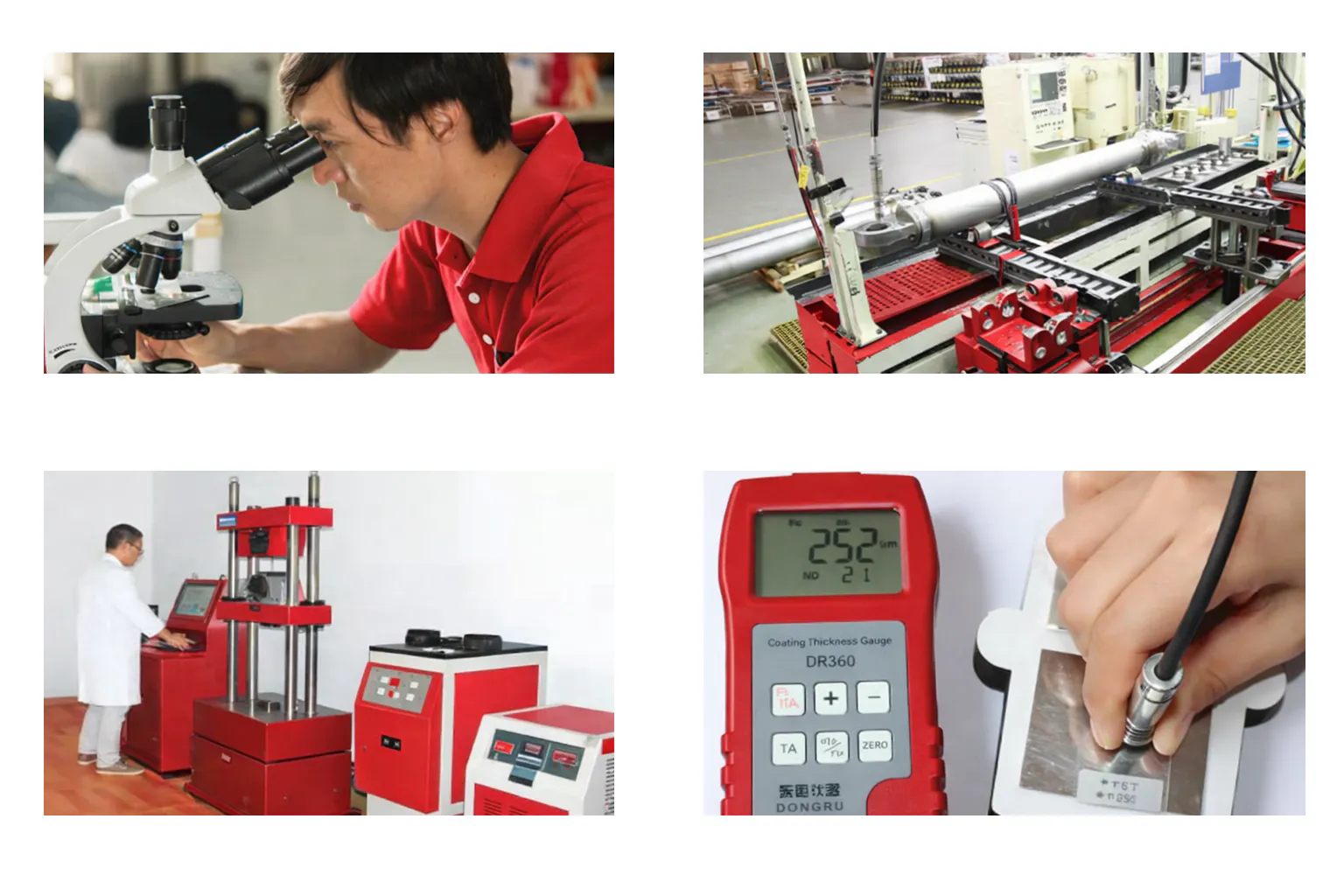
Our products undergo rigorous testing at every stage, leaving no detail overlooked. We are equipped with key testing equipment such as a multi-functional Brinell hardness tester, a precision salt spray tester, a coating thickness gauge, a metallographic analyzer, and a hydraulic cylinder simulation test bench to strictly ensure product quality.
Forklift Hydraulic Cylinder Features:
High Load Capacity: Engineered for heavy-duty tasks, delivering powerful thrust to effortlessly handle large, bulky items and significantly boost handling efficiency.
Precision Control: Supports flexible adjustment of flow and pressure, enabling exact positioning of fork height and angle—perfect for delicate operations.
Smooth Operation: Ensures a fluid lifting and lowering process with no jerking, minimizing vibration and shock to guarantee cargo safety and operator comfort.
Versatile Application: Compatible with various forklift models and configurations, flexibly adapting to diverse tasks ranging from stacking and transport to specialized attachment operations.
Durable & Reliable: Built with robust materials to withstand harsh industrial environments. Features low failure rates and minimal maintenance requirements, ensuring consistent, high-efficiency output.
Industrial Application Scenarios
Vertical Mast Operation:
The primary role of the hydraulic cylinder is to elevate and descend the forks. By pressurizing the system with hydraulic fluid, the piston rod extends, driving the mast upward to lift loads.
Fork Extension and Retraction
Certain cylinder configurations enable the forks to slide forward and backward. This feature is essential for efficiently loading and unloading pallets from deep within trucks or confined spaces.
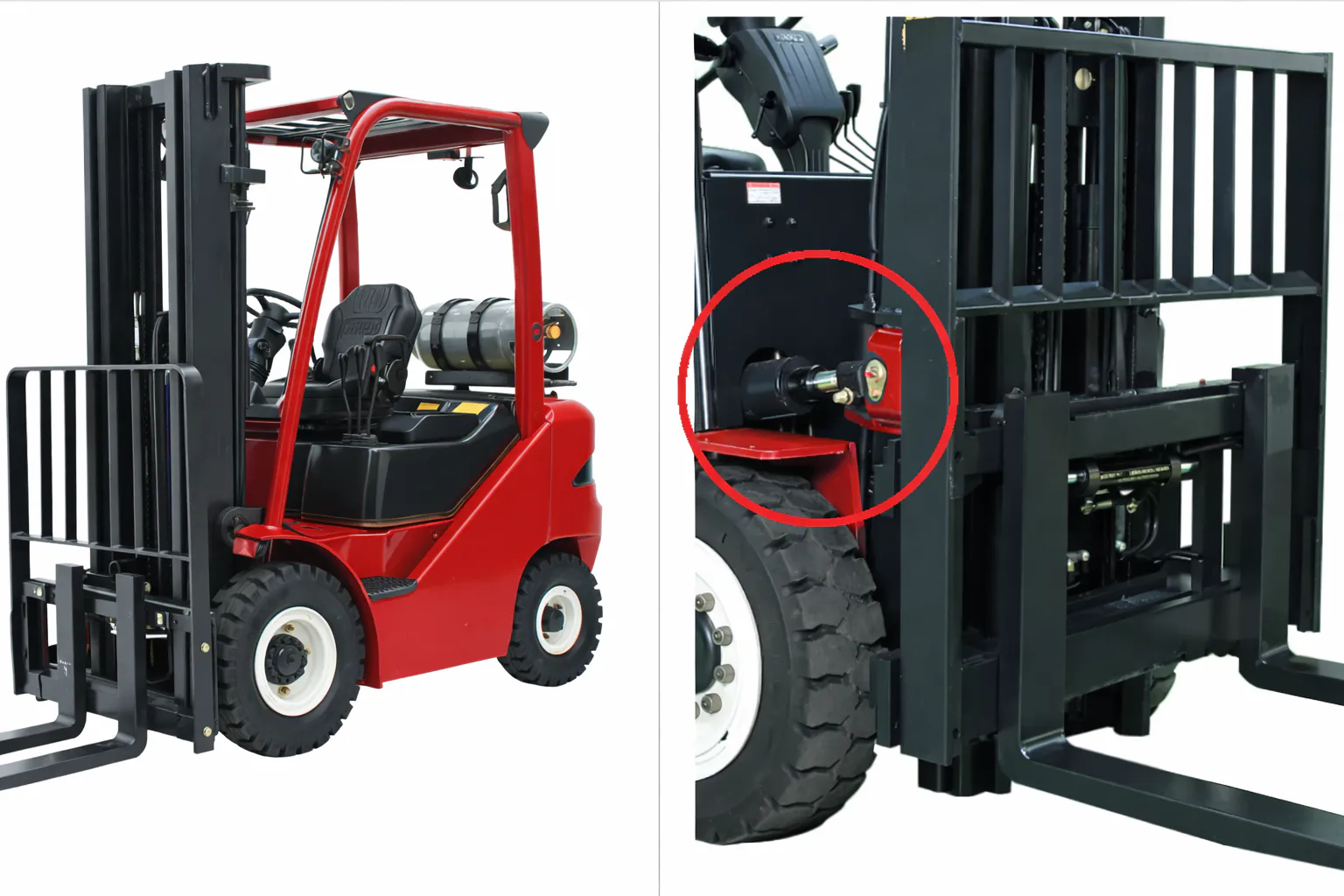
Mast Tilting Mechanism
Specific cylinders facilitate the tilting of the mast assembly. This capability is critical for stabilizing loads when operating on uneven ground or during the placement of goods.
Material Scooping and Discharge:
Specialized hydraulic setups allow attachments to scoop up and dump bulk materials. This function is indispensable for handling loose substances such as sand, gravel, or aggregate.
Horizontal Load Manipulation
Beyond vertical lifting, these cylinders assist in shifting loads laterally. Operators can utilize the forks to push or pull cargo across a surface without needing to lift it first..